
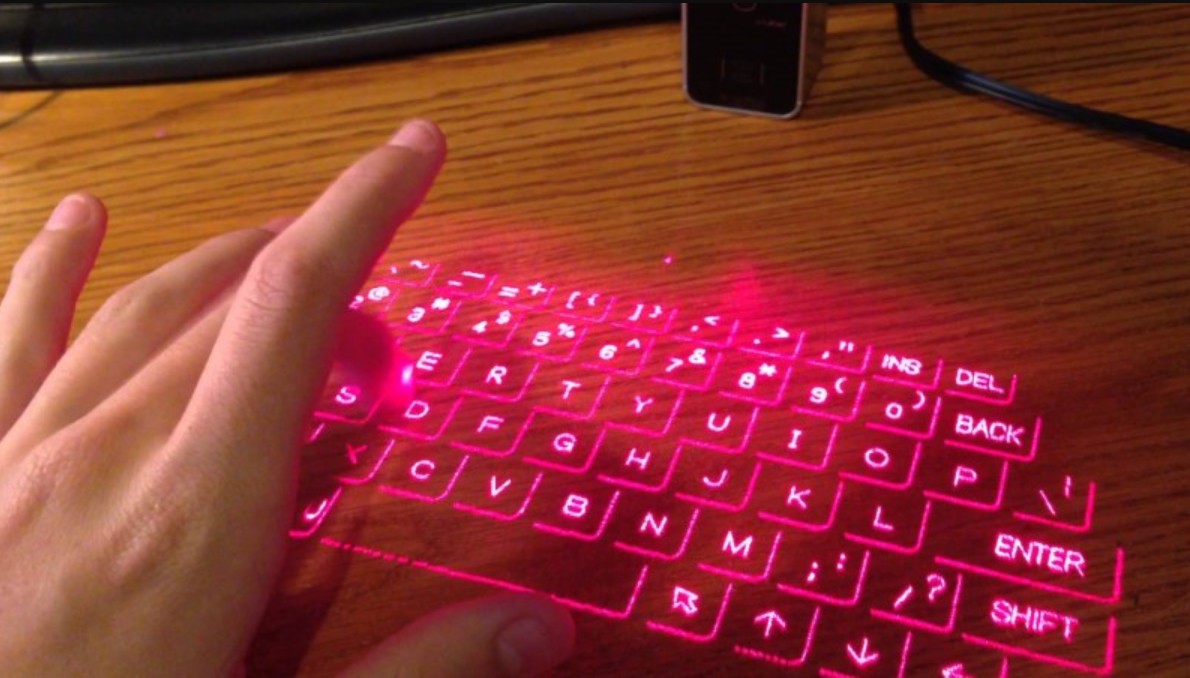
The word kibard appears frequently online, even though it is not an official English word. It is most often a common misspelling or misinterpretation of the word keyboard, a crucial digital input device used every day for communication, work, gaming, creativity, and countless other tasks. The similarity in sound between keyboard and kibard makes this mistake unsurprising, especially in fast typing or voice-to-text scenarios. Yet the widespread use of the term kibard online provides a valuable opportunity to explore not only why this confusion exists but also why the keyboard remains one of the most important tools in digital interaction.
Many users searching for kibard are actually looking for information about keyboards, whether out of curiosity, typing errors, or simple familiarity. Understanding the connection between these terms helps clarify user intent while emphasizing the essential role of the keyboard in our daily technological experiences.
The Confusion Between Kibard and Keyboard
The appearance of the word kibard typically stems from accidental typing mistakes, phonetic spellings, or automated transcription errors. Voice-to-text systems, which attempt to interpret spoken language, may mishear “keyboard” as “kibard,” especially when accents or background noise are present. In casual typing, especially on mobile devices or touchscreens, small errors in spelling can easily lead to unfamiliar results.
The linguistic closeness of kibard to keyboard makes the mistake surprisingly common. Both share a similar phonetic pattern, and the arrangement of letters on a QWERTY layout makes finger slips easy. Although kibard has no recognized definition of its own, its prevalence online demonstrates how digital language evolves and adapts through user behavior. In practical terms, kibard always refers back to the keyboard, the tool that shapes much of our communication, productivity, and creativity.
What Is a Keyboard?
A keyboard is an input device that enables users to interact with computers, mobile devices, and digital systems by pressing keys that correspond to letters, numbers, symbols, and specific commands. It serves as a central interface between the user and the machine, translating physical key presses into digital actions. Whether someone is typing a message, entering code, writing a report, or controlling a game, the keyboard functions as a fundamental bridge in the interaction process.
Modern keyboards rely on a combination of hardware and software to register keystrokes accurately. Physical keyboards send electrical signals through switches, membranes, or circuits, whereas virtual keyboards interpret touch gestures. Despite the wide range of forms they can take, all keyboards share the same essential purpose: enabling efficient and precise communication with digital systems.
The Evolution of the Keyboard
The concept of the keyboard traces back to the mechanical typewriter of the 19th century, a revolutionary device that standardized the act of writing through a series of key-activated levers. The famous QWERTY layout, originally designed to prevent mechanical jams by spacing out frequently used letters, has become the global standard for English-language typing.
As computers emerged in the late 20th century, keyboards evolved rapidly. Early models were heavy and mechanical, relying on robust switches that provided noticeable tactile feedback. These early keyboards set the foundation for many of the mechanical designs that have resurfaced in today’s gaming and productivity keyboards.
Throughout the 1980s and 1990s, membrane keyboards became popular for being lighter, quieter, and more affordable. As personal computers became mass-market tools, the keyboard transformed from a specialized device into a household essential. The evolution continued with compact laptop keyboards, ergonomic designs intended to reduce strain, and wireless technologies that eliminated the need for physical cables.
Today’s keyboards range from minimalist laptop styles to high-performance mechanical models, from touchscreen-based virtual layouts to adaptive keyboards that change based on software needs. Despite innovations in voice control and gesture-based systems, the keyboard remains unmatched in speed, accuracy, and versatility.
The Role of the Keyboard in Everyday Life
The keyboard plays a vital role across every field of modern life. It influences productivity, enhances communication, drives entertainment, supports learning, and empowers creativity. Even with the rise of alternative input methods, the keyboard remains irreplaceable due to its efficiency and intuitive design.
In professional environments, keyboards enable workers to write documents, enter data, manage communication, and interact with complex software. For students, keyboards support research, assignments, online learning, and digital collaboration. In the creative world, writers, journalists, and content creators rely on keyboards as their primary medium for bringing ideas to life.
In entertainment, keyboards are essential tools for gamers, especially in PC gaming where precision and speed are crucial. Gaming keyboards often include customizable keys, backlighting, and macro capabilities that enhance performance. Beyond gaming, keyboards also support social interactions, allowing users to express themselves online with clarity and personality.
Also Read: EmbedTree Tech Tips Expert Guide for Smarter Digital Living
Different Types of Keyboards
Keyboards come in numerous varieties, each designed to suit different needs and preferences. Mechanical keyboards, known for their durable switches and distinctive tactile feel, are favored by gamers, programmers, and fast typists who appreciate precision and responsiveness. Membrane keyboards, which rely on flexible membrane layers, offer a quieter and more affordable alternative, commonly found in office and home environments.
Ergonomic keyboards are shaped to reduce strain and promote a natural hand position, appealing to users who type for extended periods. Wireless keyboards provide flexibility by freeing users from the limitations of cables, making them ideal for modern workspaces and mobile setups. Gaming keyboards include features such as RGB lighting, programmable macros, and anti-ghosting technology to enhance gameplay performance.
Virtual keyboards, found on smartphones and tablets, have revolutionized mobile communication. Even without physical keys, they mimic traditional keyboard layouts while offering predictive text, gesture typing, and multilingual support. These keyboards demonstrate how digital interfaces adapt to different environments while maintaining the familiar structure users rely on.
Keyboard Layouts Around the World
Although the QWERTY layout dominates globally, several regional variations exist to accommodate different languages and typing patterns. The AZERTY layout, commonly used in France and Belgium, rearranges letters such as A and Q to better suit French spelling conventions. In Germany and other central European countries, the QWERTZ layout swaps Y and Z and includes additional characters for regional languages.
Some alternative layouts, such as the Dvorak Simplified Keyboard, aim to increase typing efficiency by placing the most frequently used letters on the home row. Although these layouts are not as widely adopted, they highlight the ongoing search for faster and more ergonomic typing methods.
The Future of Keyboards in a Changing Digital World
Technology continues to reshape how users interact with digital devices, but the keyboard remains a reliable and efficient tool. Advances in voice recognition, gesture control, AI-driven interfaces, and predictive typing are expanding input possibilities, yet none fully replace the versatility and precision of a keyboard.
Future developments may include adaptive keyboards that change layout dynamically based on user intent, flexible or foldable designs that integrate into wearable technology, and even neural input systems that convert thought into text. Despite these innovations, the physical keyboard’s familiarity and effectiveness ensure its continued relevance.
As communication grows increasingly digital, the keyboard will remain central to how people write, create, work, and connect. No matter how technology evolves, the keyboard’s role as a universal communication tool positions it as one of the most enduring elements of human-computer interaction.
Also Read: WordHippo 5 Letter Words Complete Strategy Guide
Conclusion
The term kibard may originate as a simple misspelling of the word keyboard, but acknowledging this misunderstanding opens the door to a broader appreciation of the keyboard’s significance in the digital era. From its origins in the typewriter to its modern forms across computers, tablets, and mobile devices, the keyboard has become an indispensable tool that enhances productivity, communication, entertainment, and creativity.
Understanding the relationship between kibard and keyboard reinforces how language and technology constantly influence each other. The keyboard remains at the heart of our digital lives, a device that continues to evolve while retaining its fundamental purpose. Whether you are working, learning, gaming, or creating, the keyboard serves as your gateway to digital expression.
FAQs
What is Kibard?
Kibard is a common misspelling of the word keyboard, often caused by typing mistakes or voice-to-text errors.
Why do people write Kibard instead of Keyboard?
Users often type kibard accidentally or encounter the term through misinterpreted voice input, as the pronunciation closely resembles keyboard.
Is Kibard the same as a Keyboard?
Yes, the term kibard refers to the same device, even though the correct spelling is keyboard.
Can using the term Kibard affect search results?
Searching for kibard may produce mixed or unintended results, but search engines typically recognize it as a misspelling of keyboard.
How can I avoid writing Kibard accidentally?
Proofreading, enabling autocorrect, and practicing consistent typing habits can help reduce spelling errors such as kibard.
