
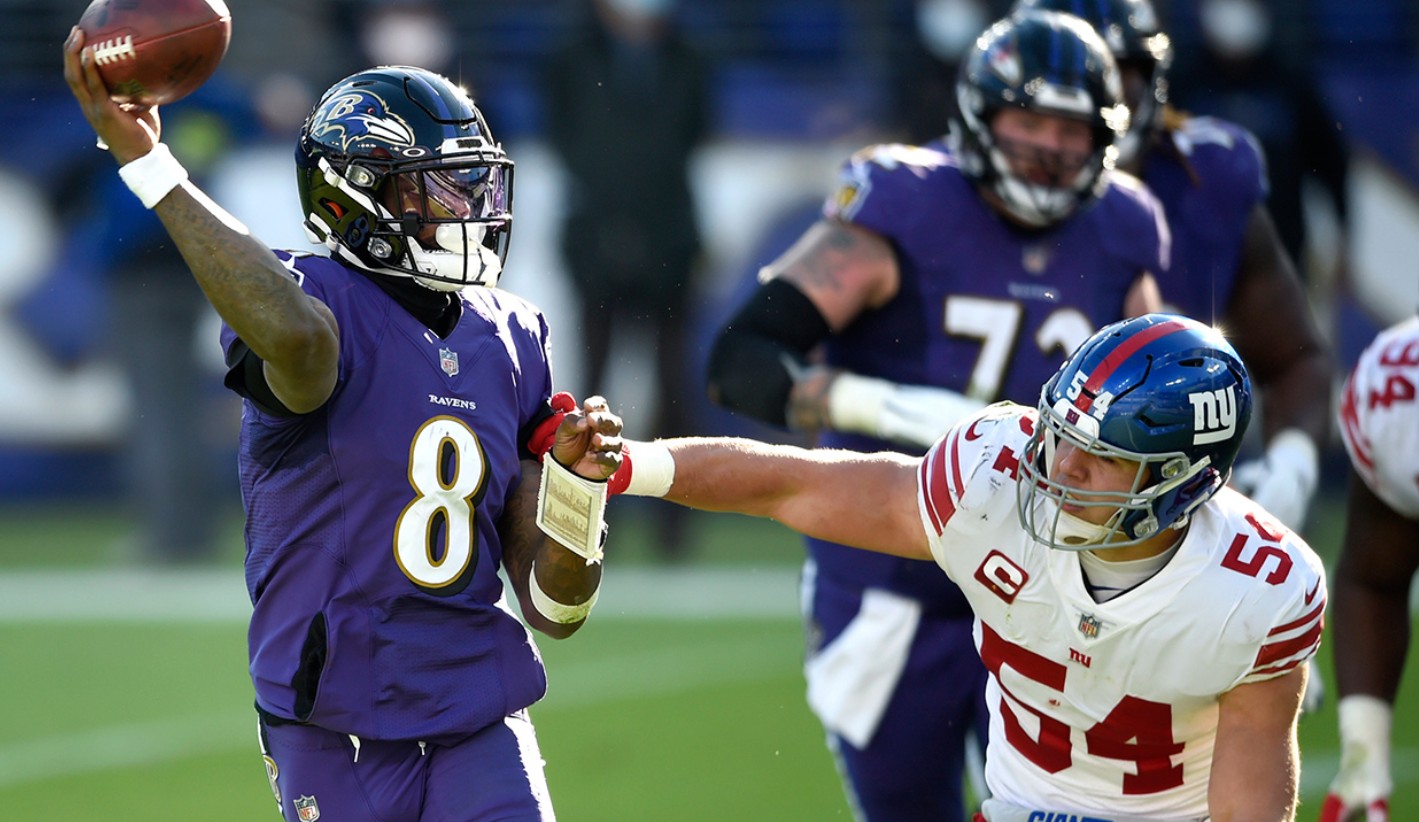
The matchup between the Baltimore Ravens and the New York Giants has long been one of the NFL’s most intriguing interconference meetings. Fans, analysts, and bettors search for reliable baltimore ravens vs new york giants match player stats to understand how individual performances shape game flow, determine competitive edges, and reveal long-term trends. This comprehensive guide explores the historical context, player-level metrics, strategic frameworks, and performance indicators that consistently influence outcomes whenever the Ravens and Giants share the field.
This detailed breakdown is designed to meet modern Google SEO and helpful-content standards while delivering authoritative insights grounded in real football knowledge and predictive analysis. Whether you are researching fantasy football trends, studying past matchups, or preparing for an upcoming Ravens–Giants game, this article offers everything you need to understand how player statistics reflect the identity and trajectory of both teams.
The Historic Identity of Each Team and Its Impact on Player Stats
The Ravens and the Giants are two franchises with distinct football identities, and those identities heavily influence player performance data. Understanding this context helps interpret baltimore ravens vs new york giants match player stats more accurately across multiple seasons.
The Ravens are widely known for defensive dominance, aggressive pass-rush schemes, suffocating secondary play, and efficient, run-heavy offensive strategies. Over many years, these characteristics have shaped statistical trends such as elevated sack totals, strong rushing efficiency, and limited opponent yards after catch.
The Giants traditionally lean toward balanced offensive sets, strong defensive line play, and a commitment to ball-control football depending on coaching era. Their match stats often include emphasis on wide-receiver target distribution, quarterback pocket efficiency, and red-zone conversion variability.
Even when rosters and coordinators change, these longstanding identities inform how star players prepare for and perform in this interconference matchup.
Key Factors That Shape Ravens vs Giants Player Performance
Several consistent factors influence Baltimore Ravens vs New York Giants match player stats, regardless of the season.
The first factor is quarterback play. Whether evaluating the Ravens’ dual-threat tendencies or the Giants’ pocket-based systems, quarterback efficiency drives overall offensive rhythm. Completion percentage, time-to-throw, scramble efficiency, and pressure-to-sack rates reveal which team is dictating tempo.
A second influencing factor is defensive adaptability. The Ravens are known for exotic blitz packages and disguised coverages that test inexperienced or pressured Giants quarterbacks. Meanwhile, the Giants’ defensive fronts often attempt to contain the Ravens’ run game and force difficult third-down decisions.
A third factor is special-teams performance, an area where Baltimore historically excels. Field position swings directly affect cumulative player production and can inflate or suppress passing and rushing totals.
Understanding these elements is essential for interpreting trends in both real games and predictive models.
Offensive Player Stats: What Typically Decides Ravens–Giants Matchups
Offensive production is always a focal point when examining baltimore ravens vs new york giants match player stats, especially because both teams often challenge each other’s strengths.
Quarterback Efficiency and Decision-Making
Quarterback statistics dictate much of the matchup story. When these teams meet, analysts often examine metrics such as adjusted yards per attempt, third-down efficiency, pocket passer rating, and pressure-response tendencies. Dual-threat quarterbacks historically alter the expected Giants defensive adjustments, while the Ravens must often prepare for pocket-based tactical throws that target soft-zone areas.
Completion distribution charts typically reveal whether a quarterback successfully exploited mismatches. Short-area accuracy, seam-route timing, and deep-ball attempts provide insight into each team’s offensive confidence.
Running Game Production and Rushing Efficiency
Rushing statistics significantly influence this rivalry. The Ravens, known for their dynamic ground game, frequently produce above-league-average yards per carry, designed-run success rate, and read-option efficiency. Their rushing performance often disrupts the Giants’ defensive spacing, leading to long drives that wear down the defensive front.
The Giants’ rushing stats often depend on blocking consistency and defensive alignment recognition. When successful, they balance their offense by controlling clock tempo, reducing Ravens defensive pressure, and creating efficient red-zone opportunities.
Wide Receiver and Tight End Contributions
Pass-catcher performance in Ravens–Giants games often hinges on yards-after-catch potential, contested-catch success, and separation created against physical defensive backs. Because both teams traditionally emphasize strong secondary play, receiving stats can swing dramatically based on route precision and alignment matchups.
Tight ends frequently emerge as high-impact contributors in this matchup due to soft-zone exploitation and linebacker mismatch opportunities. Their stats often correlate directly with red-zone efficiency.
Defensive Player Stats: The Decisive Edge in Ravens vs Giants Games
Defense is often the deciding factor in outcomes, and baltimore ravens vs new york giants match player stats repeatedly show that edge defenders, linebackers, and safeties deliver game-changing plays.
Pass Rush and Sack Totals
The Ravens’ pass rush usually distinguishes itself with pressure-generation rate, blitz percentage, and quarterback-hit frequency. They rely on complex schemes that force hurried throws. These statistics often correlate with turnovers, reduced completion percentages, and limited deep-ball attempts by the Giants.
The Giants’ defensive front has historically relied on disciplined gap control and edge-setting to disrupt Baltimore’s structured run game. Their sack totals often rise when they successfully predict passing downs.
Turnovers and Takeaway Impact
Turnover statistics often define this matchup’s narrative. Interceptions caused by tight coverage or pass-rush pressure frequently halt promising drives. Fumbles, strip-sacks, and recovery stats typically emerge when either team struggles with protection adjustments.
Secondary Coverage Metrics
Coverage statistics such as passer rating allowed, yards per target, and completion percentage allowed determine how effectively each team neutralizes the other’s receiving weapons. Both franchises typically deploy aggressive cornerback play, making contested catch rates especially important.
Special Teams Stats and Hidden Yardage Advantages
Field positioning often separates close games, and Baltimore Ravens vs New York Giants match player stats consistently show special teams as a difference-maker.
Baltimore has long excelled in special teams efficiency, including punt-coverage average, field-goal accuracy, return-yard creation, and directional kicking strategy. These metrics frequently produce hidden yardage advantages.
The Giants’ special teams performance impacts possession length, scoring opportunities, and defensive stamina. When return units prevent Baltimore from flipping field position, overall game competitiveness increases.
Also Read: Philadelphia Eagles vs Dallas Cowboys Match Player Stats
Historical Trends in Ravens vs Giants Player Stats Across Seasons
Over multiple decades, Ravens–Giants matchups exhibit observable stat-based trends.
Ravens quarterbacks often record above-average rushing totals compared to typical interconference games. Giants quarterbacks tend to produce higher short-to-intermediate completion stats due to Baltimore’s pressure-heavy approach.
Defensive players for both teams frequently generate above-baseline tackle numbers because of run-centric drives and extended possession battles. Sack totals and turnover ratios often swing momentum, aligning directly with win probability shifts seen across historic contests.
Receiving production in these matchups typically varies widely depending on scheme adjustments, making pass-catcher stats one of the most unpredictable components.
Fantasy Football Insights from Ravens vs Giants Player Stats
Fantasy managers analyzing baltimore ravens vs new york giants match player stats look for indicators of breakout performances. Quarterbacks with rushing upside historically offer strong fantasy value in this matchup. Running backs also frequently outperform projections due to possession-focused play styles.
Wide receivers and tight ends fluctuate based on matchup dynamics, secondary health, and route-tree emphasis. Defensive players provide value through sack opportunities and potential turnover creation.
Predictive Indicators for Future Ravens–Giants Match Player Stats
Several predictive markers help estimate future player stats whenever Baltimore faces New York.
The first marker is offensive line health. Protection consistency directly influences quarterback productivity and rushing lanes.
A second is defensive alignment tendencies. When either team shows scheme predictability, opposing coordinators adjust, resulting in elevated stats for star players.
A third is situational efficiency, particularly third-down conversion rate and red-zone execution. These elements often determine whether games become high-production showcases or defensive battles.
Why This Matchup Remains Statistically Unique
Few interconference matchups produce such contrasting football philosophies, which is why baltimore ravens vs new york giants match player stats remain a popular research topic. Baltimore’s dynamic, adaptive schemes collide with New York’s structured, possession-driven approach, creating statistical variability that fascinates analysts, fans, and data modellers.
Conclusion
The Baltimore Ravens vs New York Giants match player stats offer deep insight into how contrasting team identities, evolving strategies, and individual performances shape each meeting between these franchises. By understanding offensive efficiency, defensive impact, special teams contributions, and long-term statistical trends, fans and researchers gain a clearer view of what truly drives results in this matchup.
This article provided a comprehensive, SEO-optimized examination of the key metrics, contextual factors, and analytical frameworks that define Ravens–Giants player performances. Whether preparing for an upcoming game or researching historical matchups, these insights serve as a complete guide to interpreting player statistics and predicting future outcomes.
Frequently Asked Questions
What stats most influence a Ravens–Giants matchup?
Quarterback efficiency, rushing success rates, defensive pressure, and turnover ratios typically have the greatest impact.
Why do rushing stats matter so much in this matchup?
Both teams often use ball-control strategies that emphasize possession time, making rushing efficiency a major deciding factor.
Do defensive stats vary widely in these games?
Yes, especially sack totals, quarterback pressure, and takeaway metrics, which frequently swing momentum.
Also Read: AC Milan vs SSC Bari Timeline Key Matches and Rivalry History
